
The Future of Facility Management in Manufacturing – AI, IoT and Automation
The manufacturing industry is evolving rapidly, driven by digital advancements that are transforming how facilities operate. Traditional facility management methods, which relied heavily on manual processes and reactive maintenance, are being replaced by smart, data-driven solutions. Technologies such as Artificial Intelligence (AI), the Internet of Things (IoT) and automation are at the forefront of this transformation, enabling manufacturers to enhance efficiency, reduce costs and improve safety.
This blog explores how AI, IoT and automation are revolutionizing facility management in manufacturing, the benefits they bring and what the future holds for this industry.
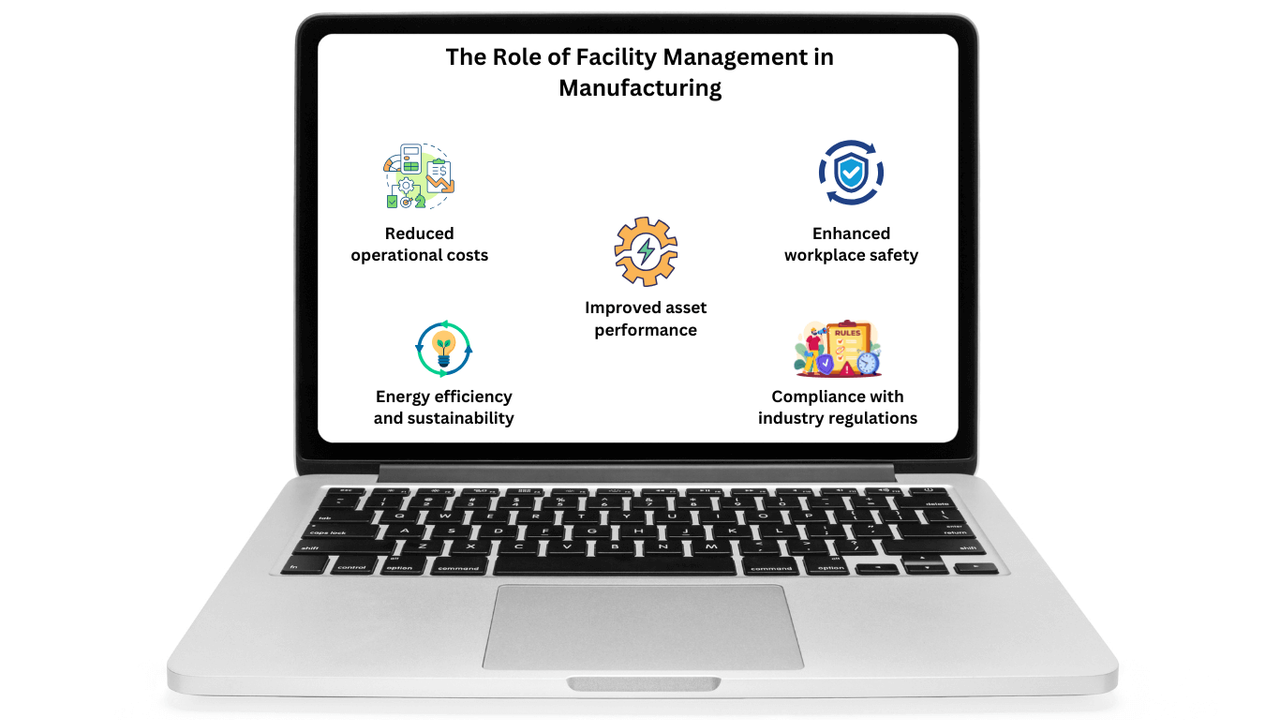
The Role of Facility Management in Manufacturing
Facility management (FM) in manufacturing ensures smooth operations by overseeing physical assets, maintenance, energy management, security and compliance. Efficient facility management leads to -
Reduced operational costs
Improved asset performance
Enhanced workplace safety
Compliance with industry regulations
Energy efficiency and sustainability
However, traditional FM approaches often rely on scheduled maintenance, reactive problem-solving and manual monitoring, leading to inefficiencies, increased costs and unexpected downtime. The introduction of AI, IoT and automation is addressing these challenges, bringing a new era of intelligent facility management.
AI in Facility Management
AI for Predictive Maintenance
One of the biggest advantages of AI in facility management is predictive maintenance. Traditional maintenance strategies rely on fixed schedules or reactive responses to failures, often leading to unnecessary downtime or unexpected breakdowns. AI-based predictive maintenance uses machine learning algorithms to analyze real-time equipment data and predict failures before they occur.
Reduced Downtime - AI predicts failures, allowing facility managers to perform maintenance at the right time, preventing unexpected breakdowns.
Cost Savings - Avoiding unnecessary repairs and extending the life of equipment reduces maintenance costs.
Increased Productivity - Less downtime means production lines can continue running efficiently.
For example, an AI system in a manufacturing facility can analyze temperature, vibration and pressure data from machines. If the AI detects an anomaly indicating a possible malfunction, it alerts the facility manager to schedule maintenance before the issue worsens.
AI in Energy and Space Management
AI optimizes energy consumption and space utilization in manufacturing facilities by analyzing real-time energy usage, detecting inefficiencies and suggesting improvements.
For instance, AI-powered energy management systems regulate heating, ventilation and air conditioning (HVAC) based on occupancy levels and external weather conditions, ensuring optimal energy efficiency without compromising worker comfort.
AI for Security and Risk Management
AI-powered surveillance systems enhance security in manufacturing plants by using facial recognition, motion detection and anomaly detection to prevent unauthorized access and detect potential security threats.
AI can also analyze past security incidents to identify patterns and recommend improvements to facility security protocols.
IoT for Real-Time Monitoring
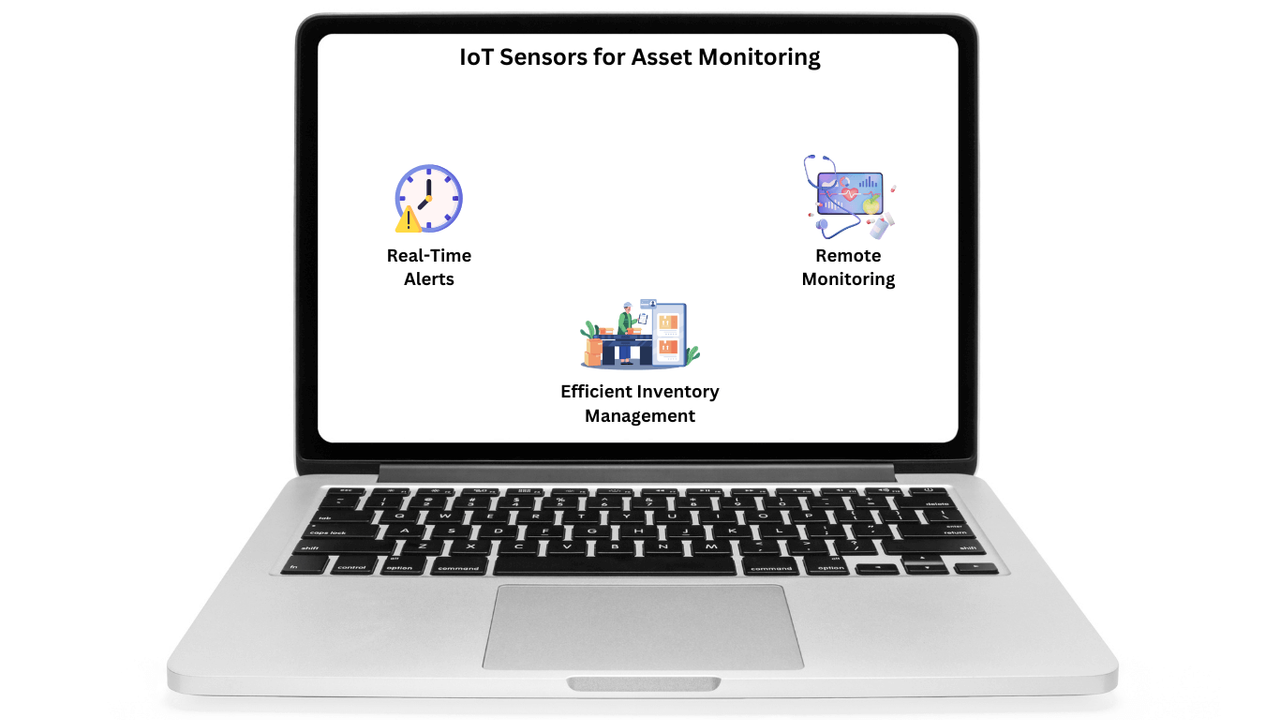
IoT Sensors for Asset Monitoring
IoT sensors embedded in manufacturing equipment continuously monitor performance metrics such as temperature, humidity, pressure and vibration. These sensors send real-time data to a central system, where AI analyzes it for potential issues.
Real-Time Alerts - Facility managers receive instant notifications if an asset is operating outside optimal conditions.
Remote Monitoring - Managers can oversee facility operations from anywhere using mobile applications.
Efficient Inventory Management - IoT helps track inventory levels in real time, preventing stock shortages and overstocking.
For example, an IoT-powered smart factory can use sensors to monitor the condition of conveyor belts, detecting wear and tear before they lead to breakdowns. This minimizes downtime and improves efficiency.
Smart Environmental Monitoring
IoT sensors monitor parameters such as air quality, temperature and humidity, ensuring compliance with safety and quality standards.
If temperature fluctuations in a cold storage facility exceed safe limits, IoT sensors trigger automatic alerts, allowing facility managers to take corrective action before products are damaged.
IoT and AI for Energy Efficiency
AI-driven IoT energy management systems optimize energy consumption by monitoring usage patterns and identifying waste.
For instance, a smart manufacturing facility can use IoT and AI to analyze energy usage trends and adjust lighting and equipment operations to reduce costs while maintaining productivity.
Automation for Streamlined Operations
Automated Maintenance and Inspections
Automation in facility management includes robotic systems that perform routine maintenance tasks, reducing the burden on human workers.
Drones for Inspections - AI-powered drones equipped with cameras and sensors can inspect large industrial facilities, identifying structural issues or maintenance needs in hard-to-reach areas.
Automated Cleaning Systems - AI-powered robots can clean manufacturing floors, reducing manual labor and ensuring a hygienic work environment.
Robotic Process Automation (RPA) in Facility Management
Robotic Process Automation (RPA) streamlines administrative facility management tasks, such as scheduling maintenance, managing work orders and processing invoices.
For example, an AI-powered automated system can schedule equipment maintenance based on predictive analytics, ensuring timely servicing without manual intervention.
AI in Automated Security Systems
AI-powered biometric access control and automated alarm systems enhance security in manufacturing facilities. These systems detect unauthorized access, track movement patterns and alert security personnel in real time.
For example, facial recognition AI can control access to restricted areas, allowing only authorized personnel to enter.
The Future of Facility Management in Manufacturing
The integration of AI, IoT and automation is shaping the future of facility management, making operations more intelligent, efficient and sustainable. Key trends that will define the future include -
1. AI-Driven Smart Factories and Digital Twins
Smart factories use AI, IoT and automation to create fully connected, self-optimizing production environments. Digital twins—virtual replicas of physical assets—allow AI to simulate and analyze performance before implementing changes in real-world operations.
2. AI-Powered Sustainable Facility Management
Energy efficiency and sustainability will be at the core of future facility management. AI and IoT will play a crucial role in reducing carbon footprints by optimizing energy usage, minimizing waste and promoting eco-friendly practices.
3. AI and 5G-Powered IoT Networks
With the rise of 5G, IoT devices will become more powerful, enabling faster AI-driven data transmission and real-time decision-making. This will enhance predictive maintenance, remote monitoring and automation capabilities in manufacturing facilities.
4. AI-Optimized Workforce Management
AI will optimize workforce management by analyzing productivity patterns, predicting staffing needs and automating administrative tasks. This will improve labor efficiency and allow employees to focus on high-value tasks.
5. AI and Blockchain for Security
AI combined with Blockchain will enhance security and transparency in facility management by providing tamper-proof records of maintenance, asset tracking and compliance reports.
The future of facility management in manufacturing is driven by AI, IoT and automation, transforming traditional processes into smart, data-driven operations. These technologies enable predictive maintenance, real-time monitoring, AI-driven automation and enhanced security, leading to increased efficiency, cost savings and improved sustainability.
Manufacturers that embrace these AI-powered innovations will gain a competitive edge, ensuring their facilities remain agile, productive and prepared for the future of industrial operations.