
Smart Cleaning Solutions in Facility Management
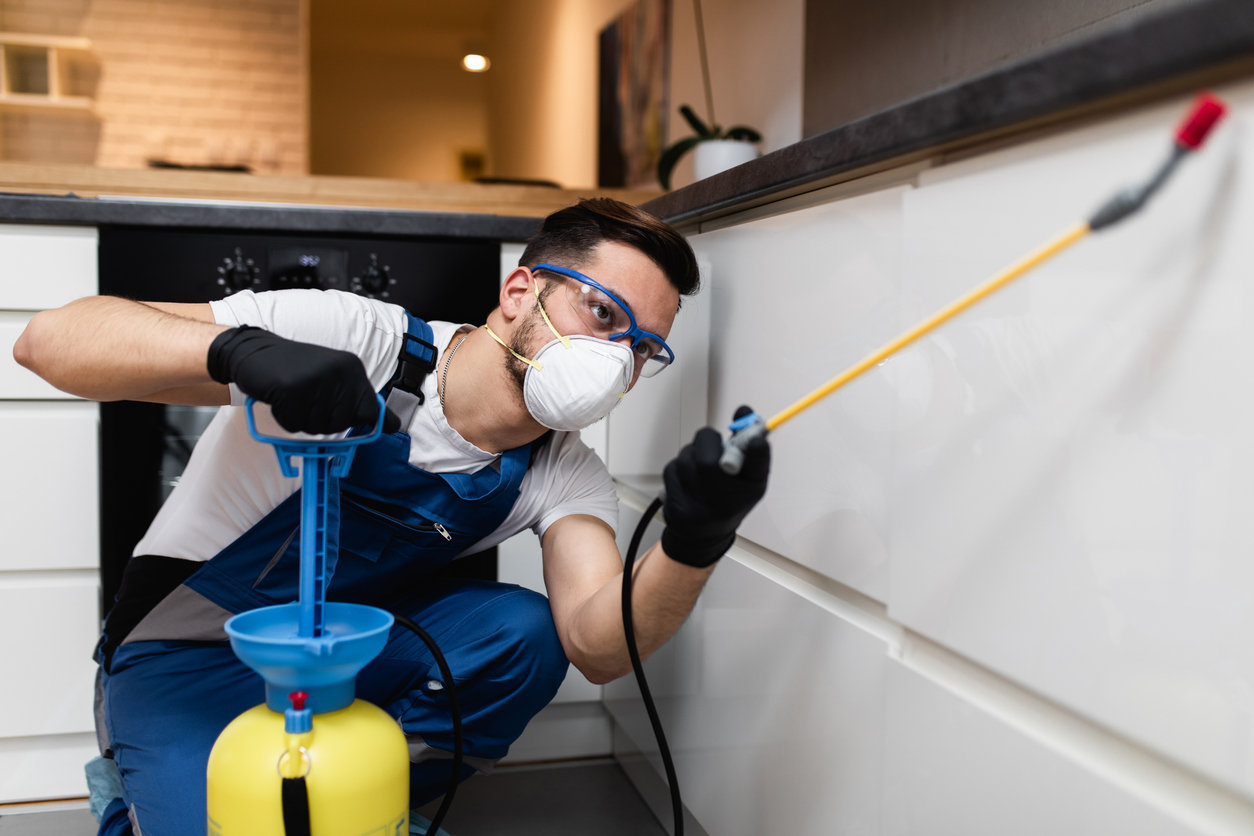 In the modern era of facility management, expectations around cleanliness have dramatically evolved. No longer limited to routine janitorial work, cleaning today plays a pivotal role in occupant well-being, organizational reputation and regulatory compliance. With the emergence of smart technologies, cleaning has transitioned into a more predictive, efficient and data-driven process.
Smart cleaning solutions are designed to meet these new demands integrating sensors, robotics, AI and cloud platforms into everyday operations. These technologies not only enhance hygiene levels but also reduce costs, optimize workforce performance and support sustainability efforts.
This blog dives deep into how smart cleaning is revolutionizing facility management, the technologies driving it, real-world applications, implementation challenges and what the future holds for intelligent cleaning systems.
Smart Cleaning - From Reactive to Proactive
Traditional cleaning systems usually rely on static schedules fixed routines that don’t adapt to the actual needs of a space. This can result in over-servicing low-traffic areas and under-cleaning high-traffic zones, wasting resources and leaving gaps in hygiene.
Smart cleaning transforms this outdated model by enabling facilities to respond to real-time data. With the help of IoT, automation and AI, smart cleaning introduces -
Demand-driven operations that respond to actual usage.
Automated workflows that reduce human error and boost productivity.
Enhanced transparency through centralized dashboards and reporting tools.
The goal is simple - keep facilities cleaner, safer and more efficient without unnecessary costs.
Core Technologies Behind Smart Cleaning
Smart cleaning relies on a combination of cutting-edge technologies that work together to streamline tasks and boost performance.
1. Internet of Things (IoT)
IoT-enabled devices form the foundation of smart cleaning ecosystems. These include sensors placed in -
Restrooms to monitor foot traffic and supply levels.
Meeting rooms to track usage frequency.
Garbage bins to detect when they are full.
Data from these sensors informs when, where and how often cleaning is needed, eliminating guesswork.
2. Autonomous Cleaning Robots
Floor-cleaning robots, window washers and vacuum bots now perform many repetitive tasks that once required manual labor. Features include -
Pre-programmed paths or AI-based route optimization.
Obstacle detection and automated docking stations.
Real-time monitoring and performance feedback.
These robots ensure consistent cleaning quality while freeing up staff for more critical tasks.
3. Cloud-Based Cleaning Management Platforms
These digital platforms act as the brain of the operation by aggregating data from all smart devices. They allow managers to -
Monitor cleaning performance remotely.
Set cleaning triggers based on usage data.
Schedule tasks dynamically.
Generate reports for compliance and audits.
4. Artificial Intelligence and Machine Learning
AI algorithms process data collected from IoT sensors to predict cleaning needs before they arise. For example, if foot traffic is consistently high in a certain area on Monday mornings, the system can automatically schedule extra cleaning for that time.
Benefits of Smart Cleaning in Facility Management
The impact of smart cleaning extends far beyond hygiene. It introduces measurable advantages for organizations striving to optimize operations and improve occupant satisfaction.
1. Enhanced Operational Efficiency
Data-driven scheduling ensures that cleaning is performed where and when it's needed, reducing wasted effort. Cleaning staff can be deployed strategically, minimizing idle time and maximizing productivity.
2. Improved Hygiene and Safety
Sensors and real-time monitoring guarantee that critical areas are cleaned more frequently, especially in settings like hospitals or schools. This lowers the risk of infections and boosts public trust.
3. Sustainability and Environmental Impact
Smart cleaning optimizes the use of water, electricity and chemicals, supporting eco-friendly practices. Many systems include sustainability dashboards that track and report resource consumption.
4. Better Resource Allocation
Managers can view cleaning performance in real time and make data-backed decisions about staffing, supply ordering and maintenance needs. Predictive maintenance of machines and automated reordering of supplies further reduce operational disruptions.
Real-World Applications Across Industries
Smart cleaning is no longer theoretical it’s being implemented in diverse environments with impressive results.
Healthcare Facilities
Hospitals require the highest levels of cleanliness to prevent healthcare-associated infections (HAIs). Smart cleaning in healthcare involves -
Touchless UV disinfection robots that sanitize operating rooms.
Air quality monitors to detect contaminants.
AI-based scheduling systems that increase cleaning frequency in high-risk zones.
The result? Improved patient safety and compliance with regulatory standards.
Corporate Offices
In hybrid work environments, offices often have fluctuating occupancy levels. Smart cleaning adapts to this variability by -
Using occupancy sensors to determine when workspaces need cleaning.
Triggering alerts for restrooms based on real-time usage.
Collecting feedback through QR codes to continuously improve service quality.
This enhances employee satisfaction while lowering cleaning costs.
Airports and Public Transport
Busy environments like airports need constant upkeep. Smart cleaning plays a vital role by -
Deploying autonomous floor scrubbers during off-peak hours.
Integrating cleaning alerts into central control systems based on passenger flow.
Monitoring trash levels and restroom usage for rapid response.
These measures create a cleaner experience for travelers without disrupting operations.
Hospitality and Retail
In the post-pandemic world, guests expect visibly clean spaces. Hotels and malls now use -
Robotic vacuum cleaners for common areas.
Smart inventory systems for restocking cleaning products.
Digital audit trails to verify and demonstrate cleaning compliance.
Implementation Challenges
Despite its advantages, adopting smart cleaning requires careful planning and investment. Some common challenges include -
1. High Initial Costs
While long-term savings are substantial, the upfront cost of robotics, IoT infrastructure and software licenses can be a barrier, especially for small to mid-sized facilities.
2. Workforce Adaptation
Cleaning staff may initially resist new technologies due to fear of replacement or lack of training. Facilities must invest in onboarding and upskilling programs to ensure smooth adoption.
3. Data Privacy and Security
Smart devices collect a significant amount of data, some of which may involve human activity. Organizations must comply with data protection laws and implement secure storage and transmission protocols.
4. Integration Complexity
Bringing together disparate systems HVAC, lighting, security and cleaning into a single intelligent ecosystem requires robust integration planning, compatible platforms and potentially, custom development.
A Future Outlook - What’s Next for Smart Cleaning?
The smart cleaning industry is poised for even greater evolution. Here's what we can expect in the coming years -
AI-Powered Predictive Cleaning
Machine learning models will use historical usage data, weather forecasts, event calendars and occupancy levels to predict where and when cleaning will be needed eliminating the need for manual planning altogether.
Voice-Controlled and App-Integrated Systems
Facility occupants may be able to request cleaning services via voice assistants or apps, creating real-time service requests that automatically update team schedules.
Digital Twin Integration
By pairing cleaning systems with digital building replicas (digital twins), managers can simulate and optimize cleaning patterns, visualize usage patterns and proactively resolve bottlenecks.
Green Cleaning Innovations
Sustainability will take center stage. Expect developments like -
Biodegradable robotic cleaning pads.
AI-optimized chemical dispensing systems.
Waterless floor-cleaning technologies.
These solutions will help facilities align with LEED and other environmental certifications.
Smart cleaning is no longer a luxury it’s fast becoming an essential component of modern facility management. As organizations seek to enhance occupant experience, optimize resource use and meet rising health standards, smart cleaning solutions offer a strategic path forward.
By integrating IoT, robotics, AI and centralized management tools, facilities can ensure more consistent cleanliness, reduce operating costs and increase sustainability. The shift requires investment and change management, but the return is clear - cleaner spaces, smarter operations and stronger stakeholder confidence.
As buildings evolve into smarter ecosystems, cleaning must evolve too not just to keep up, but to lead the way in setting new standards for health, efficiency and innovation.