
Data-Driven Facility Management – Unlocking the Power of AI and Analytics
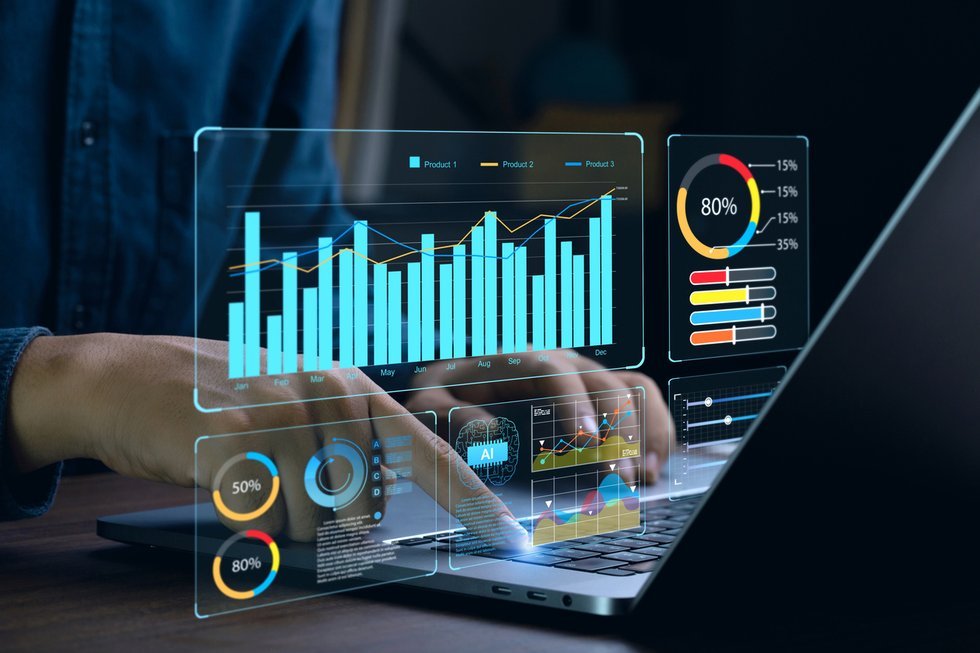 In today’s business environment, facility management is evolving rapidly. It’s no longer just about keeping buildings functional – it’s about maximizing performance, reducing costs, improving sustainability and enhancing the user experience. Central to this evolution is data-driven decision-making, powered by analytics and artificial intelligence (AI).
Facility managers are now leveraging data not just to understand the past but to predict the future and prescribe the best actions. When data meets AI, facility management becomes smarter, faster and more strategic.
The Shift Toward Data and AI in Facility Management
The rise of smart buildings, IoT sensors and integrated platforms has opened the door to a new era of facility management. Massive volumes of data are being generated every second – from energy meters, HVAC systems, lighting, elevators and more. However, this raw data has little value without analysis.
That’s where AI-powered analytics steps in. Unlike traditional systems that only report what has happened, AI can analyze patterns – make predictions – automate decision-making.
The Role of AI in Driving Smarter Facility Management
AI adds a new layer of intelligence to facilities data. Here’s how –
1. Predictive Analytics
AI algorithms can identify subtle patterns in equipment behavior and alert facility managers before a failure happens. For example, machine learning models analyze HVAC data to predict when components will degrade enabling predictive maintenance instead of reactive repairs.
2. Anomaly Detection
AI can instantly spot abnormalities in energy consumption, temperature fluctuations or occupancy levels. These insights help quickly identify problems like system leaks, unauthorized access or equipment inefficiencies.
3. Smart Automation
AI can trigger automatic actions based on real-time data. For example, it can adjust lighting and HVAC settings based on occupancy levels or switch off unused equipment – improving energy efficiency without human intervention.
4. Natural Language Processing (NLP)
AI-powered chatbots and virtual assistants help facility staff access data through voice or text queries. They can ask – “When is the next HVAC filter replacement due?” – and get real-time answers without digging through spreadsheets or logs.
5. Computer Vision for Facility Inspection
AI tools with computer vision can scan video footage or images to detect safety violations, blocked exits or damaged infrastructure. This automates inspections and enhances safety.
Real Benefits of Analytics + AI in Facility Management
1. Enhanced Operational Efficiency
Analytics supported by AI enables real-time monitoring and faster decision-making. Instead of relying on weekly reports, facility teams get instant alerts and suggested actions.
For instance, an AI system might recommend rerouting maintenance staff based on current facility conditions – improving task allocation and minimizing downtime.
2. Smarter Predictive Maintenance
AI-based predictive models evaluate vibration, noise and temperature data from equipment to forecast breakdowns. This helps reduce unplanned downtime by up to 50% and lowers maintenance costs by identifying the root causes early.
3. Real-Time Energy Optimization
AI algorithms analyze usage patterns and weather forecasts to optimize energy systems. In a large commercial building, AI might lower HVAC output in unoccupied zones or reduce lighting intensity based on daylight availability.
The result – reduced energy bills, lower carbon emissions and improved environmental compliance.
4. Space Utilization Insights
AI tracks occupancy trends across rooms, floors or entire buildings. Facility managers can then redesign workspaces, reassign underutilized areas or adjust cleaning schedules based on actual foot traffic.
This is especially useful in hybrid work environments where usage patterns fluctuate daily.
5. Streamlined Vendor and Workforce Management
AI evaluates the performance of third-party vendors by analyzing work order completion times, customer feedback and maintenance quality. This leads to better contract negotiations and higher service standards.
AI in Action – Real-World Facility Management Examples
Smart Hospitals
AI-powered analytics in healthcare facilities monitor air quality, predict equipment malfunctions and schedule cleaning routines based on patient traffic. This not only enhances efficiency but also improves patient safety and infection control.
Corporate Campuses
A tech company integrated AI with its building management system to automate lighting, HVAC and security. AI also adjusted systems during non-peak hours – reducing energy costs by 28% annually.
Airports and Transportation Hubs
AI monitors occupancy levels and queues in real time – helping facility teams respond faster with cleaning, ventilation and crowd control measures. It also supports asset maintenance – ensuring minimal disruption in high-traffic zones.
Building a Data + AI-Driven Facility Management Strategy
Transitioning to AI-enhanced facility management requires a solid foundation. Here’s how to get started –
1. Centralize Data Collection
Connect all systems – HVAC, lighting, security, energy meters – into a unified platform. The more comprehensive your data the more accurate the AI analysis will be.
2. Invest in AI-Powered Tools
Look for facility management platforms that offer AI capabilities such as predictive analytics, automation and anomaly detection. These tools simplify complex tasks and boost efficiency.
3. Define Key Performance Indicators (KPIs)
Establish clear KPIs aligned with business goals – energy savings, downtime reduction, space efficiency, sustainability targets – and let AI track them automatically.
4. Prioritize Data Quality and Governance
Clean, reliable data is essential for AI to work effectively. Implement data validation processes, assign data ownership and ensure privacy compliance.
5. Train Staff on AI Tools
Empower your facility team to use dashboards, read AI-generated reports and take actions based on recommendations. AI doesn’t replace human expertise – it enhances it.
Overcoming Challenges with AI in Facility Management
Data Silos and Integration
Many organizations still use fragmented systems. Overcoming silos by integrating IoT sensors, CAFM software and cloud platforms is key to maximizing AI capabilities.
Cybersecurity Risks
AI relies on constant data flow. Protecting this data with firewalls, encryption and access controls is critical to maintaining trust and security.
Change Management
Some teams may resist AI adoption due to fear of job loss or system complexity. It’s important to frame AI as a supportive tool not a replacement and provide adequate training.
Initial Investment
AI platforms may require significant initial investments. However, ROI is often seen within months through energy savings, better asset uptime and reduced manpower waste.
The Future – AI-Driven Facilities That Think for Themselves
The evolution doesn’t stop here. Tomorrow’s facility management systems will not just respond to input – they will think, adapt and improve continuously.
Here are some emerging trends to watch –
Digital Twins – A digital replica of a facility powered by real-time data allows for simulation and testing before making physical changes. AI enhances these models by predicting performance outcomes.
AI-Driven Sustainability Reports – AI will automatically generate ESG and sustainability reports measuring carbon emissions, recycling rates and green energy use.
Behavior-Based Facility Customization – AI will personalize lighting, temperature and desk layouts based on user behavior patterns – improving employee comfort and productivity.
Robotic Process Automation (RPA) – RPA bots will automate repetitive administrative tasks like scheduling, reporting and compliance tracking – freeing up human teams for high-level decisions.
Data-driven decision-making is transforming facility management from an operational function into a strategic powerhouse. With AI in the mix, facility managers can go beyond monitoring – they can predict, automate and optimize in ways that weren’t possible before.
This shift is not just about technology – it’s about creating smarter buildings, improving experiences and aligning facilities with long-term business success.